
 “Smart people sometimes act unwisely” So says Tobin Hart in his essay Education for Wisdom. Over many decades humans have accumulated a vast amount of knowledge, which we have used to develop extraordinary technologies in every conceivable area, most of which has significantly enhanced our quality of life. But it seems also that this accumulated knowledge has cut us off from the natural ecosystems that we are truly dependent upon. Humans’ relationship with the natural world has become distorted. This is especially evident in our economic system which runs contrary to the laws of the natural world. The growing threats from the climate crises are demonstrating the extent of our fragility as well as our ultimate dependence on the nature. The great challenge and opportunity for educators today is to develop a culture of wisdom that can inspire humans to a better understanding of our place within the natural system. This paper suggests that a complex problem such as climate change can only be addressed through a change in consciousness. It outlines how a combination of knowledge and wisdom is required to heal our economic relationships, our relationships with each other, and with our ecosystem.
Exploring wisdom as a source of sustainable relationships
A Self-luminous Sun
 We are living in a time of great forward motion for the human race. Over the last 50 years or so, there has been a noticeable swing toward a “more right” way of living on this planet. Hundreds, if not thousands of groups have sprung up in support of this vision, focusing on various forms of right human relations. These groups range from environmental strongholds where the wellbeing of the earth in relation to humanity takes center stage, to groups focused on using the power of the mind to enhance the ideas of men and women of goodwill.
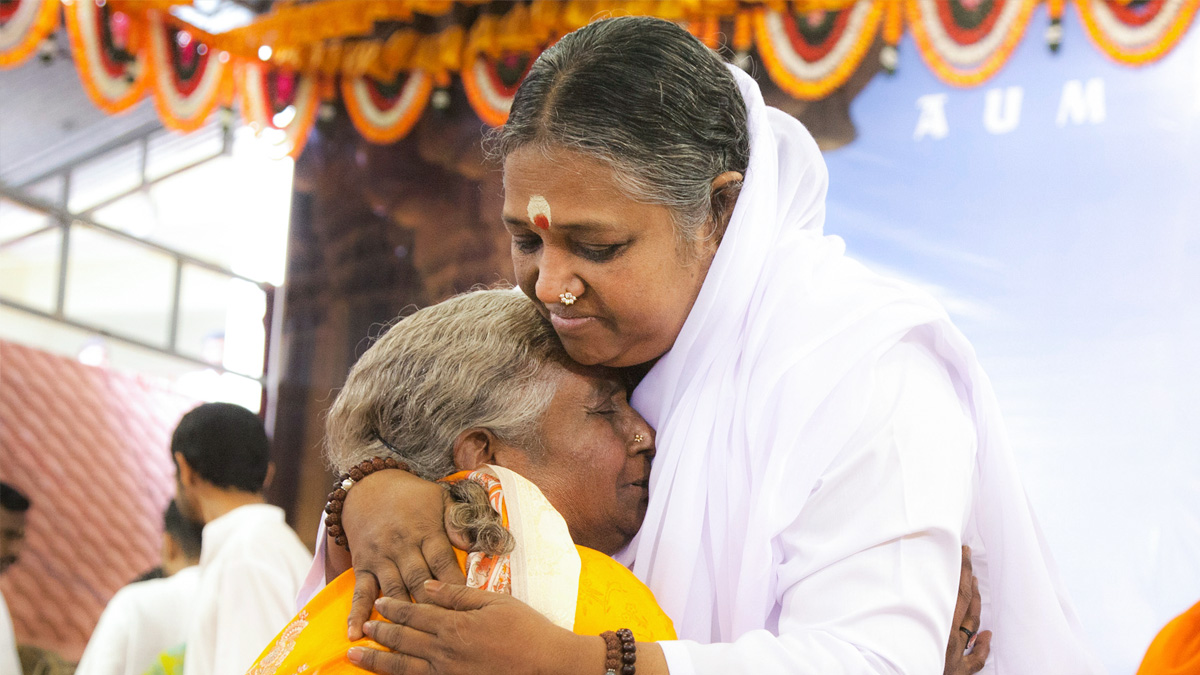
Occasionally, specific individuals seem to be tasked with carrying the torch forward on behalf of the many. One of these individuals who has gently, but with unmatched devotion, inserted herself into the global consciousness, is Mata Amritanandamayi – or as she is known around the world – Amma.
Más...Global Citizenship Education: The Spirit of Goodwill in Minority-Majority Relations
.png)
The necessity of resolving the longstanding (often ancient) tension between racial and national groups across the world has never been greater than the present. The hatred, mistrust, and prejudice which exists between races and nations impede humanity’s forward march into the coming era.
Más...Reflections on the SDG Summit and the 2023 High Level Week at the UN
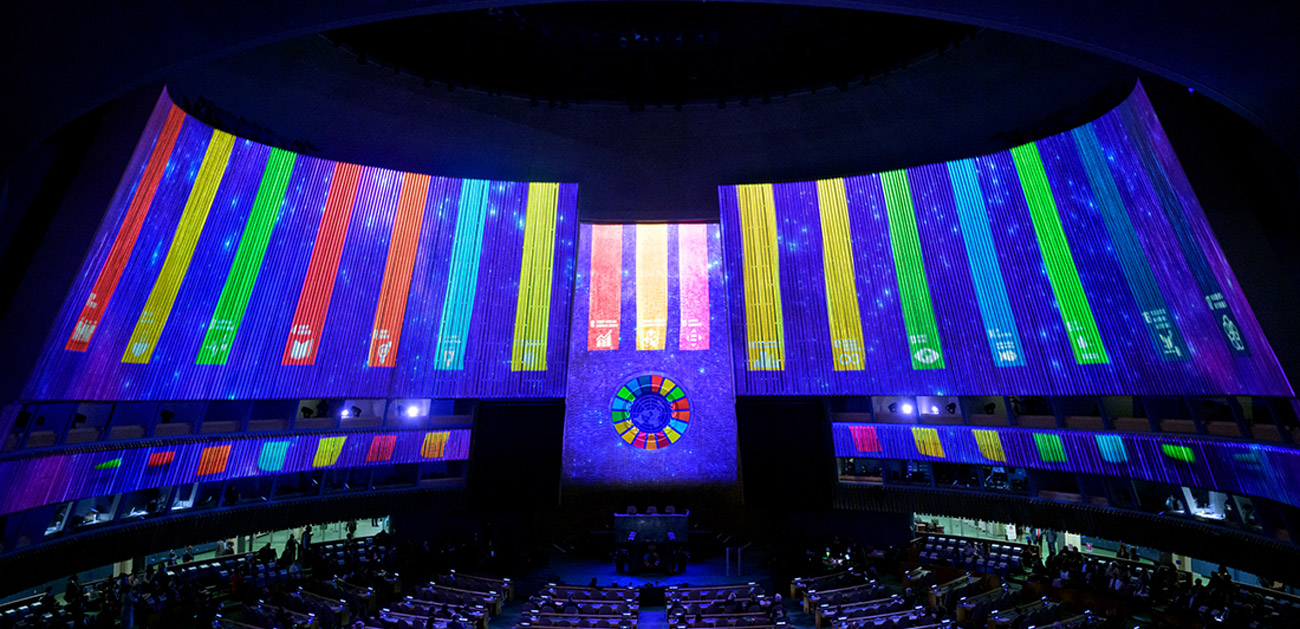 Every year, when a new session of the General Assembly opens in September, the UN becomes a focus of global attention as Heads of State stand before the world body to declare their government’s perspective on current issues.
This year’s high-level events began with the all-important SDG Summit – an attempt to generate political leadership from governments to “recharge momentum” and “accelerate actions” designed to achieve the 17 Sustainable Development Goals by 2030. The need is great as the promise and hope embodied in the Goals is “in deep peril.“ After some progress in the early years of the Goals, multiple global crises have reversed progress in key areas and today only 15% of the Goals’ targets are on track to be achieved by 2030.
Más...Polarización: un espejismo en la búsqueda de la unidad
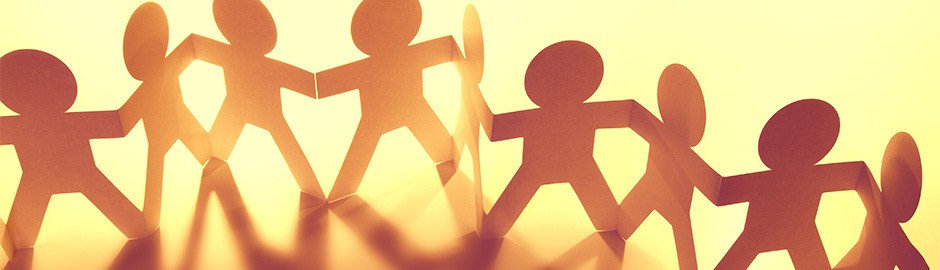 La polarización se ha vuelto un tema popular de debate en todo el mundo. Esta palabra a menudo se usa cuando se discute la división social en dos opuestos significativamente distintos. También se puede evidenciar en la actitud predominante de "nosotros contra ellos" entre individuos y entre grupos más grandes de la sociedad. Sin embargo, si utilizamos una perspectiva más amplia para comprender qué impulsa la polarización social, encontramos que, en lugar de un ímpetu hacia la separación, la polarización está detrás de la intrínseca necesidad humana de pertenencia. Cuando se satisface este sentido de pertenencia y el individuo socializa adecuadamente con sus grupos comunales, esta polarización debe desplazarse a un punto más elevado a fin de que la persona pueda alcanzar una identidad grupal verdaderamente inclusiva, basada en el valor intrínseco de todos los grupos como partes integrales de la Humanidad Una.