
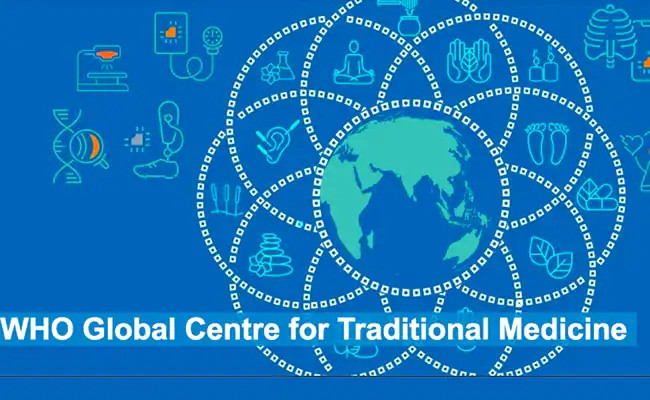
Plans are for the Centre to act as a focal point for UN activities in all areas of health that seek to bring together “ancient wisdom and modern science for the health of people and planet”. This is a further development in the on-going work of WHO’s Traditional Complementary and Integrative Medicine Unit which focuses on advancing the Organizations Traditional Medicine Strategy. “The emphasis is on regulation, research and appropriate integration of traditional and complementary medicine products, practices and practitioners into the health system and on contribution to health and wellbeing.”
“88% of all countries are estimated to use traditional medicine, such as herbal medicines, acupuncture, yoga, indigenous therapies and others. One hundred seventy Member States report the use of traditional medicine, and their priority request to WHO is for evidence and data to inform policies, standards and regulatory frameworks for safe, cost-effective and equitable use. Traditional medicine has been an integral resource for health for centuries in communities around the world, and it is still a mainstay for some with inequities in access to conventional medicine. The sociocultural practice and biodiversity heritages of traditional medicine are invaluable resources to evolve inclusive, diverse sustainable development.”
In preparation for the first WHO Traditional Medicine Global Summit, held in India in 2023, Director-General Dr Tedros Adhanom Ghebreyesus and senior WHO officials met with representatives of over 300 civil society organizations to discuss priorities in TCIM. Dr Tedros commented during the meeting “Traditional, complementary, and integrative health is rooted in the knowledge and resources of communities. For millions of people around the world, it is their first stop for health and well-being, and an integral part of their health system. It is for precisely these reasons that dialogues with civil society organizations are so important to WHO, as we shape our guidance and policy recommendations for countries.” During the meeting civil society groups “underscored the importance of consumer’s right to choose the healthcare they desire, planetary health, TCIH as a valuable insufficiently tapped resource to healthcare, TCIH research, TCIH education and Indigenous Healthcare.” The meeting was organized by an international civil society network, the People's Declaration for Traditional, Complementary and Integrative Healthcare, which includes major groupings from homeopathy, integrative medicine, traditional Chinese medicine, naturopathy and anthroposophical medical associations.
